Sorghum (Jowar): Benefits & Dosha Effects
Sanskrit: Yavanala (यवानल)
Sorghum (Jowar) is especially balancing for Pitta and Kapha. With sweet and astringent rasa (taste), cold virya (potency) and sweet vipaka, it is light and dry in quality and a source of iron.

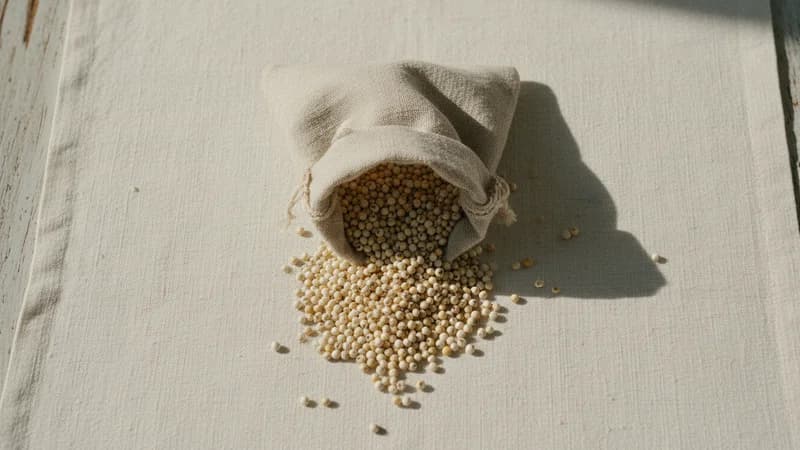
Sorghum (Jowar) is best suited to Pitta and Kapha, which it helps pacify. Jowar's sweet-astringent rasa with a cooling virya makes it a classic summer grain, traditionally eaten as bhakri to keep the body light and calm when Pitta runs high.. Best enjoyed during summer.
Ayurvedic Profile
Sorghum (Jowar) (Yavanala (यवानल)) is a sustaining grains treasured in Ayurvedic nutrition. Referenced in Dhanvantari Nighantu, it is characterised by sweet and astringent rasa (taste), cooling virya (potency), and sweet vipaka (post-digestive effect). Jowar is a gluten-free millet ideal for Pitta constitutions due to its Sheeta virya and Laghu guna; it is widely used in traditional Ayurvedic cooking as a cooling grain during Grishma and Sharad Ritu. Its light and dry gunas make it particularly suited for specific constitutional types. It has a neutral effect on Vata, pacifies Pitta, and pacifies Kapha. From a nutritional standpoint, sorghum (jowar) provides approximately 329 calories per 100g, with 10.6g protein, 72.1g carbohydrates, and is a valuable source of Iron, Phosphorus, Thiamine. Best enjoyed during summer, sorghum (jowar) supports healthy Agni (digestive fire) when prepared according to Ayurvedic principles, helping prevent Ama (toxin) accumulation and nourish the dhatus (body tissues).
Ayurvedic Properties
Rasa (Taste)
sweet, astringent
Virya (Potency)
cold
Vipaka (Post-digestive)
sweet
Guna (Qualities)
light, dry
How Sorghum (Jowar) Affects Vata, Pitta & Kapha
Ayurveda reads every food through the three doshas. Here is how sorghum (jowar)’s qualities interact with each: Not sure which is yours? Take the free dosha quiz — about 4 minutes.
Sorghum (Jowar) has a broadly neutral effect on Vata. Its sweet and astringent rasa and light and dry qualities neither strongly aggravate nor pacify Vata, so those with Vata dosha can enjoy it in moderation within a varied diet. Vata meal plan
Sorghum (Jowar) helps pacify Pitta. Its cold virya (potency) and light and dry qualities, with its sweet and astringent rasa (taste), counterbalance Pitta's tendencies — which is why it traditionally suits Pitta dosha in regular use. Pitta meal plan
Sorghum (Jowar) helps pacify Kapha. Its cold virya (potency) and light and dry qualities, with its sweet and astringent rasa (taste), counterbalance Kapha's tendencies — which is why it traditionally suits Kapha dosha in regular use. Kapha meal plan
Nutrition Facts (per 100g)
329kcal
Calories
10.6g
Protein
72.1g
Carbs
3.5g
Fat
6.7g
Fibre
Ayurvedic Benefits
- Jowar's sweet-astringent rasa with a cooling virya makes it a classic summer grain, traditionally eaten as bhakri to keep the body light and calm when Pitta runs high.
- Its light, dry (laghu-ruksha) quality makes it a naturally low-fat, filling grain that sits easily without the heaviness of wheat, supporting those who tire after richer flatbreads.
- A good source of iron and phosphorus, jowar traditionally supports the building of Rakta and Asthi dhatu (blood and bone), helping sustain colour and strength.
- Its thiamine (vitamin B1) content supports the body's conversion of food into energy, aligning with Ayurveda's view of jowar as a light, easily digested grain that does not overheat the body.
- Being gluten-free and rich in fibre, jowar gives wheat-sensitive people a hearty everyday flatbread while its slow-releasing starch supports a comfortable, even appetite.
How to Use
- As sorghum (jowar) is cooling (shita virya), favour it in warmer weather and pair it with warming spices like ginger or black pepper when the seasons turn cold.
- Sorghum (Jowar) is at its best during summer — eating it in season keeps its Prana (vital energy) and benefit at their peak.
- Knead the flour with hot water and pat by hand into jowar bhakri (rotla), cooked on a griddle and finished over an open flame, the everyday bread of Maharashtra, Gujarat and North Karnataka.
- Pop the whole grains like tiny popcorn for jowar puffs, a light, dry summer snack you can toss with a pinch of black salt.
- Cook the pearled grains like rice into a pilaf or a cooling summer salad with cucumber, mint and lemon to lift Pitta.
- Simmer jowar flour into a thin ambil (fermented gruel) with buttermilk, a traditional cooling drink for hot afternoons in the Deccan.
- Blend jowar flour into pancakes or thalipeeth with vegetables and warming spices such as cumin and ajwain to offset its dry quality.
Contraindications
- The dry, light quality can aggravate a Vata constitution if eaten plain, so serve jowar bhakri with ghee, yoghurt or a moist curry rather than on its own.
- Its cooling nature suits summer best; those with a weak or cold Agni, or eating in deep winter, should pair it with warming spices and take smaller portions.
- As a coarse, high-fibre grain, sudden large amounts can feel heavy or gassy for unaccustomed digestions, so introduce it gradually and chew well.
“Ayurveda classifies Sorghum (Jowar) by its sweet, astringent rasa (taste), cold virya (thermal potency), and sweet vipaka (post-digestive effect). InnerVeda reads these three lenses together to map Sorghum (Jowar) to your dosha and season.”
Frequently Asked Questions
In Ayurvedic terms jowar has a cooling virya and an astringent edge that suits the Pitta-provoking heat of summer. It is light and low in fat, so the body stays comfortable rather than heavy in the warmth. This is exactly why the Deccan tradition eats jowar bhakri and buttermilk ambil through the hottest months.
Because jowar has no gluten, the trick is hot water and warm dough: knead the flour with just-boiled water until soft and pliable, keep the dough covered so it does not dry, and pat it out with damp palms. Cook on a hot griddle, then puff it directly over the flame.
Yes, jowar is naturally gluten-free. Its high fibre and light, dry quality make it filling without heaviness, which traditionally supports steadier appetite and portion control. It fits a balanced diet well, though it supports rather than replaces any weight-management plan from your doctor.
Your dosha is the balance of Vata, Pitta and Kapha you were born with. Take the dosha quiz — free, about 4 minutes.
Three questions towards your dosha
These are the first three questions of the full dosha quiz. Answer them here and carry on where you left off.
Prefer to start from the beginning? Take the full dosha quiz.
Dietary information provided is for educational purposes only and is rooted in Ayurvedic tradition. It is not a substitute for professional nutritional or medical advice. Consult a qualified healthcare provider before making significant changes to your diet, especially if you have food allergies, intolerances, or a medical condition.
Want a meal plan matched to your dosha?
Take the free dosha assessment (about 4 minutes) and get a personalised nutrition plan with nearly 300 foods in the app, rated for your body.
Find Your Dosha: FreeAbout 4 minutes