Molasses: Benefits & Dosha Effects
Sanskrit: Raab (राब)
Molasses is especially balancing for Vata but can raise Pitta and Kapha when eaten in excess. With sweet rasa (taste), hot virya (potency) and sweet vipaka, it is heavy and oily in quality and a source of iron.

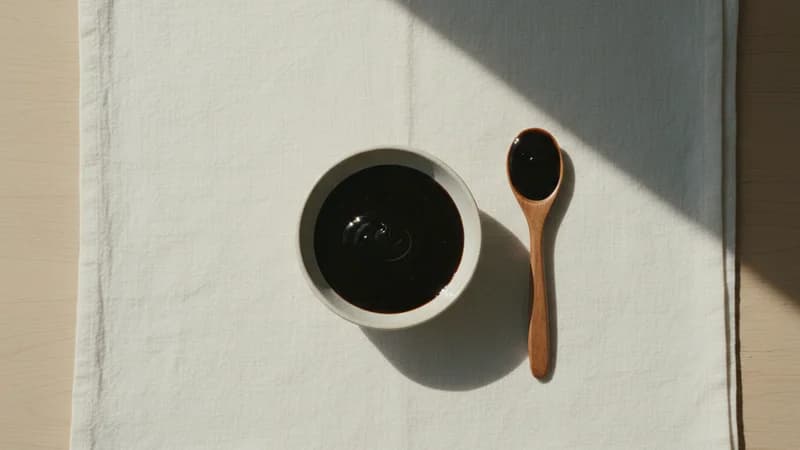
Molasses is best suited to Vata, which it helps pacify. In excess it can raise Pitta and Kapha. Molasses is the dark, viscous syrup drawn off during sugar crystallisation, and Ayurveda values it as a deeply mineral-rich sweet substance whose sweet rasa and sweet vipaka nourish and build the tissues.. Best enjoyed during winter.
Ayurvedic Profile
Molasses (Raab (राब)) is a energising sweeteners treasured in Ayurvedic nutrition. Referenced in Charaka Samhita, it is characterised by sweet rasa (taste), heating virya (potency), and sweet vipaka (post-digestive effect). Molasses is the mineral-dense byproduct of sugar refining, valued in Ayurvedic practice for its exceptional iron and calcium content; its Ushna virya and Guru quality make it ideal for building Rakta dhatu in winter but should be limited by Pitta-Kapha constitutions. Its heavy and oily gunas make it particularly suited for specific constitutional types. It pacifies Vata, can aggravate Pitta when consumed in excess, and can aggravate Kapha when consumed in excess. From a nutritional standpoint, molasses provides approximately 290 calories per 100g, with 0.0g protein, 74.7g carbohydrates, and is a valuable source of Iron, Calcium, Magnesium. Best enjoyed during winter, molasses supports healthy Agni (digestive fire) when prepared according to Ayurvedic principles, helping prevent Ama (toxin) accumulation and nourish the dhatus (body tissues).
Ayurvedic Properties
Rasa (Taste)
sweet
Virya (Potency)
hot
Vipaka (Post-digestive)
sweet
Guna (Qualities)
heavy, oily
How Molasses Affects Vata, Pitta & Kapha
Ayurveda reads every food through the three doshas. Here is how molasses’s qualities interact with each: Not sure which is yours? Take the free dosha quiz — about 4 minutes.
Molasses helps pacify Vata. Its hot virya (potency) and heavy and oily qualities, with its sweet rasa (taste), counterbalance Vata's tendencies — which is why it traditionally suits Vata dosha in regular use. Vata meal plan
Molasses is well tolerated by those with Pitta dosha in normal amounts, but its hot virya and heavy and oily qualities may aggravate Pitta in excess — so people with Pitta as their leading dosha are best keeping to measured portions. Pitta meal plan
Molasses is well tolerated by those with Kapha dosha in normal amounts, but its hot virya and heavy and oily qualities may aggravate Kapha in excess — so people with Kapha as their leading dosha are best keeping to measured portions. Kapha meal plan
Nutrition Facts (per 100g)
290kcal
Calories
0g
Protein
74.7g
Carbs
0.1g
Fat
0g
Fibre
Ayurvedic Benefits
- Molasses is the dark, viscous syrup drawn off during sugar crystallisation, and Ayurveda values it as a deeply mineral-rich sweet substance whose sweet rasa and sweet vipaka nourish and build the tissues.
- It is exceptionally concentrated in iron and calcium alongside magnesium and potassium, making it a traditional building sweetener for Rakta (blood) and bone tissue when the body needs replenishing.
- Its heating (ushna) virya with heavy, unctuous guna grounds and warms Vata, so a spoonful stirred into warm liquid offers steadying, warming energy in the cold season.
- As a whole, unbleached syrup it carries the minerals stripped from refined white sugar, so it supports overall vitality rather than offering sweetness alone.
- Its sweet, warming, tissue-building nature makes it classically suited to winter, the season for restoring strength and depth to the dhatus.
How to Use
- As molasses is heating (ushna virya), balance it with cooling accompaniments such as coriander, fennel or a little ghee — especially through the warmer months.
- Molasses is at its best during winter — eating it in season keeps its Prana (vital energy) and benefit at their peak.
- Whisk a teaspoon of dark or blackstrap molasses into warm (not boiling) milk or a herbal decoction as a warming, iron-rich winter drink.
- Use its robust, deep-caramel flavour in gingerbread, spiced loaves and marinades, where sugar or jaggery would taste too plain.
- Fold a spoonful into warm porridge or stewed fruit for depth, pairing it with dry ginger or cinnamon to lighten its heavy quality.
- Prefer blackstrap molasses when you want the highest mineral density, as it is the most concentrated fraction with the strongest, least sweet taste.
- Measure it by the teaspoon rather than pouring freely — a little of its intense flavour and heavy nature goes a long way.
Contraindications
- Its heating virya and heavy, sweet quality aggravate Pitta and Kapha in excess, so Pitta and Kapha constitutions and anyone prone to heaviness or acidity should keep it to small amounts.
- Despite its minerals it remains a concentrated sugar syrup, so those managing diabetes, blood sugar or weight should count it as sugar and use it sparingly.
- Its strong, intensely mineral flavour and heating nature make it best limited in summer and unsuited to being eaten by the spoonful; treat it as a flavouring, not a snack.
“Ayurveda classifies Molasses by its sweet rasa (taste), hot virya (thermal potency), and sweet vipaka (post-digestive effect). InnerVeda reads these three lenses together to map Molasses to your dosha and season.”
Frequently Asked Questions
They come from the same sugarcane but sit at opposite ends of refining. Jaggery is the whole cane juice boiled down into a solid golden cake; molasses is the dark syrup left behind when sugar is crystallised out. Molasses is a pourable liquid, far more mineral-dense and less sweet, with a robust, deep flavour, while jaggery is milder and firmer.
Blackstrap is the most concentrated fraction of molasses and is notably high in iron and calcium, which is why it is traditionally used as a building, blood-nourishing sweetener in winter. It supports the body's iron intake as part of a varied diet, but it is not a substitute for medical care of a diagnosed deficiency.
A teaspoon at a time is plenty, stirred into a warm drink or used to flavour cooking. Its heating (ushna) virya makes it most suitable in winter and best limited in summer; because it is heavy and can aggravate Pitta and Kapha, it is meant to be used as a mineral-rich flavouring rather than a sweetener you pour freely.
Your dosha is the balance of Vata, Pitta and Kapha you were born with. Take the dosha quiz — free, about 4 minutes.
Three questions towards your dosha
These are the first three questions of the full dosha quiz. Answer them here and carry on where you left off.
Prefer to start from the beginning? Take the full dosha quiz.
Dietary information provided is for educational purposes only and is rooted in Ayurvedic tradition. It is not a substitute for professional nutritional or medical advice. Consult a qualified healthcare provider before making significant changes to your diet, especially if you have food allergies, intolerances, or a medical condition.
Want a meal plan matched to your dosha?
Take the free dosha assessment (about 4 minutes) and get a personalised nutrition plan with nearly 300 foods in the app, rated for your body.
Find Your Dosha: FreeAbout 4 minutes