Semolina (Suji): Benefits & Dosha Effects
Sanskrit: Godhumarava (गोधूमरवा)
Semolina (Suji) is especially balancing for Vata but can raise Kapha when eaten in excess. With sweet rasa (taste), hot virya (potency) and sweet vipaka, it is light and dry in quality and a source of selenium.

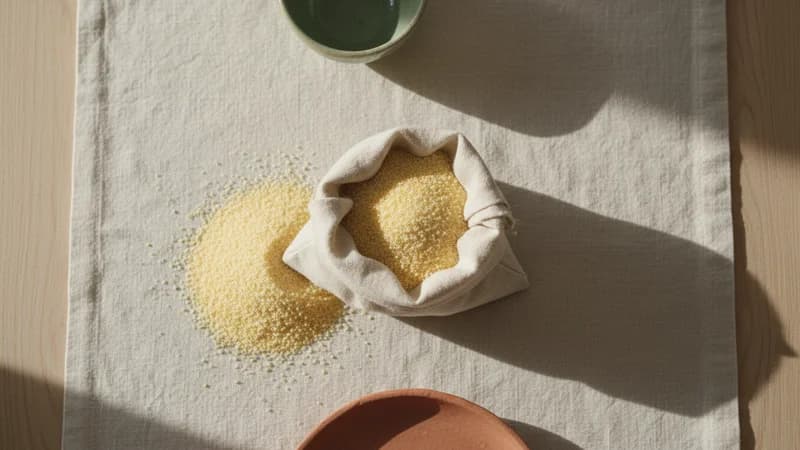
Semolina (Suji) is best suited to Vata, which it helps pacify. In excess it can raise Kapha. Milled from the hard endosperm of durum wheat, semolina is light and dry (laghu, ruksha) in guna, so it feels easier on Agni than whole wheat and is traditionally favoured for a warm, quickly-digested breakfast such as upma or a soft sooji halwa.. Suitable year-round.
Ayurvedic Profile
Semolina (Suji) (Godhumarava (गोधूमरवा)) is a sustaining grains treasured in Ayurvedic nutrition. Referenced in Ashtanga Hridaya, it is characterised by sweet rasa (taste), heating virya (potency), and sweet vipaka (post-digestive effect). Semolina is derived from Godhuma (wheat) and retains its Madhura-Ushna properties in a lighter form. Its reduced Guru quality compared to whole wheat makes it quicker to digest, and it is widely used in Ayurvedic cooking for Upma, Halwa, and other Sattvic preparations. Its light and dry gunas make it particularly suited for specific constitutional types. It pacifies Vata, has a neutral effect on Pitta, and can aggravate Kapha when consumed in excess. From a nutritional standpoint, semolina (suji) provides approximately 360 calories per 100g, with 12.7g protein, 72.8g carbohydrates, and is a valuable source of Selenium, Folate, Thiamine. Best enjoyed during all-seasons, semolina (suji) supports healthy Agni (digestive fire) when prepared according to Ayurvedic principles, helping prevent Ama (toxin) accumulation and nourish the dhatus (body tissues).
Ayurvedic Properties
Rasa (Taste)
sweet
Virya (Potency)
hot
Vipaka (Post-digestive)
sweet
Guna (Qualities)
light, dry
How Semolina (Suji) Affects Vata, Pitta & Kapha
Ayurveda reads every food through the three doshas. Here is how semolina (suji)’s qualities interact with each: Not sure which is yours? Take the free dosha quiz — about 4 minutes.
Semolina (Suji) helps pacify Vata. Its hot virya (potency) and light and dry qualities, with its sweet rasa (taste), counterbalance Vata's tendencies — which is why it traditionally suits Vata dosha in regular use. Vata meal plan
Semolina (Suji) has a broadly neutral effect on Pitta. Its sweet rasa and light and dry qualities neither strongly aggravate nor pacify Pitta, so those with Pitta dosha can enjoy it in moderation within a varied diet. Pitta meal plan
Semolina (Suji) is well tolerated by those with Kapha dosha in normal amounts, but its hot virya and light and dry qualities may aggravate Kapha in excess — so people with Kapha as their leading dosha are best keeping to measured portions. Kapha meal plan
Nutrition Facts (per 100g)
360kcal
Calories
12.7g
Protein
72.8g
Carbs
1.1g
Fat
3.9g
Fibre
Ayurvedic Benefits
- Milled from the hard endosperm of durum wheat, semolina is light and dry (laghu, ruksha) in guna, so it feels easier on Agni than whole wheat and is traditionally favoured for a warm, quickly-digested breakfast such as upma or a soft sooji halwa.
- Its sweet rasa and sweet vipaka make it nourishing and grounding for Vata, while its warming (ushna) virya gently supports the digestive fire rather than dampening it, which is why it settles well as an early-morning meal.
- A useful source of selenium, an antioxidant mineral, alongside folate and thiamine, nutrients that contribute to normal energy metabolism.
- The steady, gentle sweetness offers calm, sustained fuel that Ayurveda associates with building Ojas and helping to steady a restless, ungrounded Vata mind.
- Roasting the grains dry before cooking deepens their nutty flavour and, in the classical view, further kindles Agni, making a spiced upma a comforting and easily assimilated dish.
How to Use
- As semolina (suji) is heating (ushna virya), balance it with cooling accompaniments such as coriander, fennel or a little ghee — especially through the warmer months.
- Dry-roast the semolina in a pan over low heat until it smells nutty and turns pale gold, then set aside; this single step transforms both flavour and digestibility for upma or halwa.
- For a savoury upma, temper mustard seeds, curry leaves, ginger and green chilli in ghee, add chopped vegetables, then stir the roasted suji into simmering water in a 1:2 ratio and cook until fluffy.
- For a sweet sooji halwa, cook the roasted grains in ghee, then add warm milk or water with a little jaggery, cardamom and a few raisins for a comforting, warming pudding.
- Whisk fine semolina into hot milk with a pinch of cardamom for a quick sooji kheer, or use it to thicken a light porridge when you want something gentle on the stomach.
- Add a spoonful to idli or dosa batter, or dust it over the base of a tin before baking to give breads and cakes a pleasantly firm, sandy crumb.
Contraindications
- Because it aggravates Kapha in excess and is sweet and warming, those with sluggish digestion, heaviness after meals or a tendency to weight gain are best limited to modest portions and should favour the savoury, well-spiced form.
- Semolina is pure wheat and rich in gluten, so it is unsuitable for anyone with coeliac disease or a wheat allergy.
- Its refined, starchy nature can raise blood sugar quickly; those managing blood sugar are best pairing it with vegetables, protein or ghee and keeping to small servings.
“Ayurveda classifies Semolina (Suji) by its sweet rasa (taste), hot virya (thermal potency), and sweet vipaka (post-digestive effect). InnerVeda reads these three lenses together to map Semolina (Suji) to your dosha and season.”
Frequently Asked Questions
Warm and freshly cooked. Semolina has a hot virya and a light, dry quality, so it is most easily digested as a hot upma or halwa. Left to cool, it turns dense and pasty, which tends to sit more heavily and is less kind to Agni.
Roasting drives off excess moisture, keeps the grains separate so upma stays fluffy rather than gluey, and brings out a nutty aroma. In Ayurvedic terms the dry heat also lightens the grain and helps kindle the digestive fire, making the finished dish easier to assimilate.
No. Semolina is the coarse, granular endosperm of hard durum wheat, giving a firm, sandy texture, whereas atta is finely milled whole wheat including the bran. Both are wheat and contain gluten, but semolina is lighter and drier in the Ayurvedic sense and cooks into a distinctly grainy dish.
Your dosha is the balance of Vata, Pitta and Kapha you were born with. Take the dosha quiz — free, about 4 minutes.
Three questions towards your dosha
These are the first three questions of the full dosha quiz. Answer them here and carry on where you left off.
Prefer to start from the beginning? Take the full dosha quiz.
Dietary information provided is for educational purposes only and is rooted in Ayurvedic tradition. It is not a substitute for professional nutritional or medical advice. Consult a qualified healthcare provider before making significant changes to your diet, especially if you have food allergies, intolerances, or a medical condition.
Want a meal plan matched to your dosha?
Take the free dosha assessment (about 4 minutes) and get a personalised nutrition plan with nearly 300 foods in the app, rated for your body.
Find Your Dosha: FreeAbout 4 minutes