Spelt: Benefits & Dosha Effects
Sanskrit: Yava Godhuma (यव गोधूम)
Spelt is especially balancing for Vata but can raise Kapha when eaten in excess. With sweet rasa (taste), hot virya (potency) and sweet vipaka, it is heavy and oily in quality and a source of manganese.

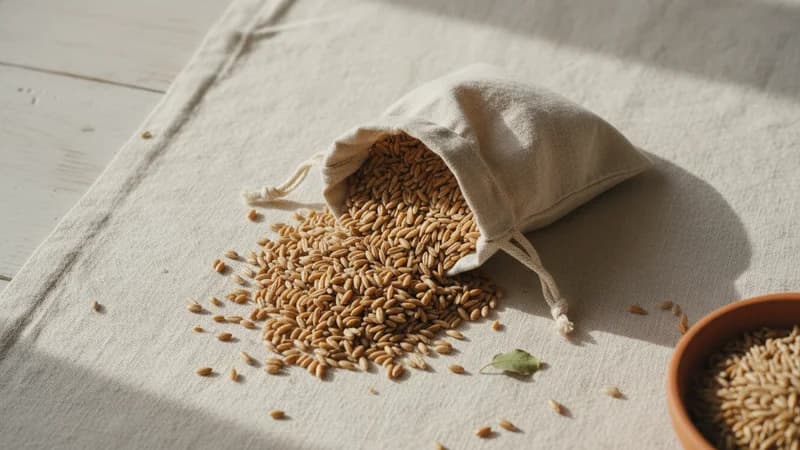
Spelt is best suited to Vata, which it helps pacify. In excess it can raise Kapha. An ancient hulled relative of common wheat, spelt is heavy and unctuous (guru, snigdha) in guna, so its wholegrain flour makes a deeply nourishing, grounding bread or porridge that Ayurveda values for building the tissues (dhatu) and steadying Vata.. Best enjoyed during winter.
Ayurvedic Profile
Spelt (Yava Godhuma (यव गोधूम)) is a sustaining grains treasured in Ayurvedic nutrition. Referenced in Ashtanga Hridaya, it is characterised by sweet rasa (taste), heating virya (potency), and sweet vipaka (post-digestive effect). Spelt is an ancient wheat relative that shares Godhuma's Madhura-Ushna-Guru properties but with slightly better digestibility due to its more soluble gluten structure. It builds Bala (strength) and Ojas like wheat while being gentler on moderate Agni. Its heavy and oily gunas make it particularly suited for specific constitutional types. It pacifies Vata, has a neutral effect on Pitta, and can aggravate Kapha when consumed in excess. From a nutritional standpoint, spelt provides approximately 338 calories per 100g, with 14.6g protein, 70.2g carbohydrates, and is a valuable source of Manganese, Phosphorus, Niacin. Best enjoyed during winter, spelt supports healthy Agni (digestive fire) when prepared according to Ayurvedic principles, helping prevent Ama (toxin) accumulation and nourish the dhatus (body tissues).
Ayurvedic Properties
Rasa (Taste)
sweet
Virya (Potency)
hot
Vipaka (Post-digestive)
sweet
Guna (Qualities)
heavy, oily
How Spelt Affects Vata, Pitta & Kapha
Ayurveda reads every food through the three doshas. Here is how spelt’s qualities interact with each: Not sure which is yours? Take the free dosha quiz — about 4 minutes.
Spelt helps pacify Vata. Its hot virya (potency) and heavy and oily qualities, with its sweet rasa (taste), counterbalance Vata's tendencies — which is why it traditionally suits Vata dosha in regular use. Vata meal plan
Spelt has a broadly neutral effect on Pitta. Its sweet rasa and heavy and oily qualities neither strongly aggravate nor pacify Pitta, so those with Pitta dosha can enjoy it in moderation within a varied diet. Pitta meal plan
Spelt is well tolerated by those with Kapha dosha in normal amounts, but its hot virya and heavy and oily qualities may aggravate Kapha in excess — so people with Kapha as their leading dosha are best keeping to measured portions. Kapha meal plan
Nutrition Facts (per 100g)
338kcal
Calories
14.6g
Protein
70.2g
Carbs
2.4g
Fat
10.7g
Fibre
Ayurvedic Benefits
- An ancient hulled relative of common wheat, spelt is heavy and unctuous (guru, snigdha) in guna, so its wholegrain flour makes a deeply nourishing, grounding bread or porridge that Ayurveda values for building the tissues (dhatu) and steadying Vata.
- Its sweet rasa and sweet vipaka give lasting, satisfying nourishment, while the warming virya keeps this substantial grain from feeling cold or clogging, making it a natural choice for cold winter months.
- A good source of manganese and phosphorus, minerals that contribute to normal bone maintenance, along with niacin (vitamin B3) which supports normal energy metabolism.
- The oily, building quality lends itself to strength-giving winter meals; in the classical view such heavy, sweet, warming grains help nourish Ojas and support stamina in those who are depleted or run-down.
- Its intact wholegrain form carries generous fibre, and as spelt berries it delivers a chewy, hearty bite that keeps you full and comfortably satisfied through a cold day.
How to Use
- As spelt is heating (ushna virya), balance it with cooling accompaniments such as coriander, fennel or a little ghee — especially through the warmer months.
- Spelt is at its best during winter — eating it in season keeps its Prana (vital energy) and benefit at their peak.
- Simmer whole spelt berries in plenty of water for around 45 to 60 minutes until tender and chewy, then fold through a warm winter salad with roasted root vegetables and a drizzle of olive oil.
- Use wholegrain spelt flour in place of some or all of the wheat in bread and rolls; it needs gentler kneading than modern wheat, so mix until just combined for a moist, nutty loaf.
- Cook cracked or flaked spelt into a hot breakfast porridge with milk, a little cinnamon and honey for a warming, sustaining start to a winter morning.
- Add pre-soaked spelt berries to slow-cooked soups and stews in the last hour, where they soak up flavour and lend a satisfying, grounding chew.
- Bake spelt flour into muffins, pancakes or a rustic tart base; its low, mellow sweetness pairs beautifully with warming spices like nutmeg and clove.
Contraindications
- Because it is heavy, oily and Kapha-aggravating in excess, those with slow digestion, heaviness, congestion or a tendency to weight gain are best keeping portions modest and reserving it for the colder months.
- Spelt is a form of wheat and contains gluten, so it is not safe for anyone with coeliac disease; despite folk claims, it is also not reliably tolerated in a genuine wheat allergy.
- Its dense, substantial nature can feel too much for a weak or convalescent Agni, so during recovery or in hot weather choose lighter grains and keep servings small.
“Ayurveda classifies Spelt by its sweet rasa (taste), hot virya (thermal potency), and sweet vipaka (post-digestive effect). InnerVeda reads these three lenses together to map Spelt to your dosha and season.”
Frequently Asked Questions
Not necessarily. Spelt is an ancient variety of wheat and contains gluten, so it is unsafe for anyone with coeliac disease and unreliable for a true wheat allergy. Some people with vague, non-coeliac discomfort report tolerating it better, but this is individual and not a guarantee.
Spelt is heavy, oily and warming in quality, all of which suit the cold, dry season when the body needs grounding, building nourishment. These same qualities can feel congesting in warm weather or for sluggish digestion, so it is best enjoyed when the weather is cold and Agni is strong.
Spelt's gluten is more fragile, so doughs come together quickly and are easily over-kneaded, giving a crumblier result. Mix gently, use a little less liquid, and expect a moist, nutty, slightly denser loaf than you would get from strong modern bread flour.
Your dosha is the balance of Vata, Pitta and Kapha you were born with. Take the dosha quiz — free, about 4 minutes.
Three questions towards your dosha
These are the first three questions of the full dosha quiz. Answer them here and carry on where you left off.
Prefer to start from the beginning? Take the full dosha quiz.
Dietary information provided is for educational purposes only and is rooted in Ayurvedic tradition. It is not a substitute for professional nutritional or medical advice. Consult a qualified healthcare provider before making significant changes to your diet, especially if you have food allergies, intolerances, or a medical condition.
Want a meal plan matched to your dosha?
Take the free dosha assessment (about 4 minutes) and get a personalised nutrition plan with nearly 300 foods in the app, rated for your body.
Find Your Dosha: FreeAbout 4 minutes