Bay Leaf: Benefits & Dosha Effects
Sanskrit: Tejapatra (तेजपत्र)
Bay Leaf is especially balancing for Vata and Kapha but can raise Pitta when eaten in excess. With pungent and bitter rasa (taste), hot virya (potency) and pungent vipaka, it is light and dry in quality and a source of vitamin a.

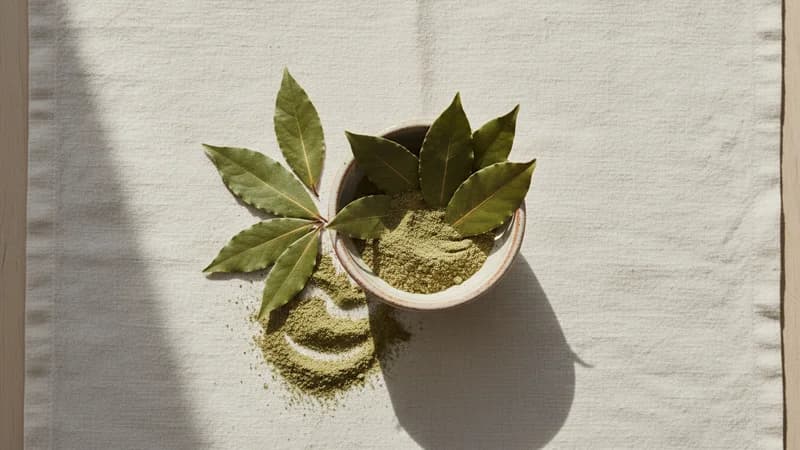
Bay Leaf is best suited to Vata and Kapha, which it helps pacify. In excess it can raise Pitta. Simmered whole in a dish, the leaf's pungent-bitter rasa and gentle heating virya kindle Agni and support the easy digestion of heavy, slow-cooking foods like pulses, rice and meats — its traditional role in a pot of biryani or dal.. Best enjoyed during winter.
Ayurvedic Profile
Bay Leaf (Tejapatra (तेजपत्र)) is a therapeutic spices treasured in Ayurvedic nutrition. Referenced in Kaiyadeva Nighantu, it is characterised by pungent and bitter rasa (taste), heating virya (potency), and pungent vipaka (post-digestive effect). Tejapatra (Indian bay leaf, Cinnamomum tamala) is the aromatic backbone of Garam Masala, described in Dhanvantari Nighantu as Hridya (heart-tonic) and Mukha Vaishadyakara (clarity of mouth), supporting respiratory and digestive health. Its light and dry gunas make it particularly suited for specific constitutional types. It pacifies Vata, can aggravate Pitta when consumed in excess, and pacifies Kapha. From a nutritional standpoint, bay leaf provides approximately 313 calories per 100g, with 7.6g protein, 74.9g carbohydrates, and is a valuable source of Vitamin A, Iron, Manganese. Best enjoyed during winter, bay leaf supports healthy Agni (digestive fire) when prepared according to Ayurvedic principles, helping prevent Ama (toxin) accumulation and nourish the dhatus (body tissues).
Ayurvedic Properties
Rasa (Taste)
pungent, bitter
Virya (Potency)
hot
Vipaka (Post-digestive)
pungent
Guna (Qualities)
light, dry
How Bay Leaf Affects Vata, Pitta & Kapha
Ayurveda reads every food through the three doshas. Here is how bay leaf’s qualities interact with each: Not sure which is yours? Take the free dosha quiz — about 4 minutes.
Bay Leaf helps pacify Vata. Its hot virya (potency) and light and dry qualities, with its pungent and bitter rasa (taste), counterbalance Vata's tendencies — which is why it traditionally suits Vata dosha in regular use. Vata meal plan
Bay Leaf is well tolerated by those with Pitta dosha in normal amounts, but its hot virya and light and dry qualities may aggravate Pitta in excess — so people with Pitta as their leading dosha are best keeping to measured portions. Pitta meal plan
Bay Leaf helps pacify Kapha. Its hot virya (potency) and light and dry qualities, with its pungent and bitter rasa (taste), counterbalance Kapha's tendencies — which is why it traditionally suits Kapha dosha in regular use. Kapha meal plan
Nutrition Facts (per 100g)
313kcal
Calories
7.6g
Protein
74.9g
Carbs
8.4g
Fat
26.3g
Fibre
Ayurvedic Benefits
- Simmered whole in a dish, the leaf's pungent-bitter rasa and gentle heating virya kindle Agni and support the easy digestion of heavy, slow-cooking foods like pulses, rice and meats — its traditional role in a pot of biryani or dal.
- Its light, dry guna helps counter the heaviness and damp of Kapha (K↓), making it a fitting aromatic for cold, foggy winter days when digestion turns dull and mucus builds.
- As a warming carminative it traditionally eases the gas and bloating that follow a rich meal; a bay leaf dropped into a simmering pot lends both aroma and this settling quality to the whole dish.
- The essential oils released on cooking give bay its clean, resinous fragrance, long valued to lift a sluggish appetite and make heavy festive food feel lighter on the stomach.
- The dried leaf carries useful amounts of vitamin A, iron and manganese, so even the small quantity that flavours a pot adds a quiet mineral note that supports Rakta dhatu.
How to Use
- As bay leaf is heating (ushna virya), balance it with cooling accompaniments such as coriander, fennel or a little ghee — especially through the warmer months.
- Bay Leaf is at its best during winter — eating it in season keeps its Prana (vital energy) and benefit at their peak.
- Drop one or two whole dried leaves into the oil at the start of cooking rice, pulao, dal or a curry so the fat carries their aroma through the whole dish.
- Always fish the whole leaf out before serving — bay stays stiff and sharp-edged even after long cooking and is a choking hazard if swallowed.
- For a warming after-meal tea, simmer a crushed leaf in water for five minutes, then strain; a little honey and a crush of black pepper suit its dry, pungent character.
- Choose leaves that are still faintly green and glossy with a strong scent; a pale, scentless leaf has lost its volatile oils and will do little for the pot.
- Tuck a couple of leaves into your jars of rice or lentils, where the aroma both flavours the grain and traditionally helps keep weevils at bay.
Contraindications
- The heating virya can nudge Pitta upward in excess (V↓ P↑ in excess), so those with acidity or a hot constitution are best keeping bay to a background flavouring rather than a strong brew, particularly in summer.
- Whole bay leaves do not soften with cooking and can cut or lodge in the throat or gut — always remove them before eating, and take special care with food for children and older people.
- Concentrated bay leaf tea or essential oil is far stronger than a leaf simmered in food; steer clear of medicinal doses in pregnancy or when nursing unless a practitioner advises, and keep the oil out of internal use.
“Ayurveda classifies Bay Leaf by its pungent, bitter rasa (taste), hot virya (thermal potency), and pungent vipaka (post-digestive effect). InnerVeda reads these three lenses together to map Bay Leaf to your dosha and season.”
Bay Leaf by Dosha
See how bay leaf interacts with each dosha and get personalised guidance.
Frequently Asked Questions
No — they are different plants, though both are called bay. Indian tejapatra comes from the cassia-cinnamon tree and smells warm and cinnamon-like, suiting biryani, pulao and garam masala. The Mediterranean bay used in soups and stews is from the laurel tree and has a sharper, more eucalyptus-like note. The Ayurvedic qualities described here are for the Indian tejapatra.
Yes, always. Bay stays stiff and has sharp edges even after hours of cooking, so a swallowed leaf can scratch the throat or lodge in the gut. Its job is to release aroma into the dish as it simmers; once that is done, lift the whole leaf out before serving — this is especially important in food for children and older people.
A light tea from one crushed leaf simmered for a few minutes makes a pleasant, warming after-meal drink, well suited to cold winter days and a heavy stomach thanks to its dry, digestive quality. Keep the brew gentle rather than strong: its heating nature can aggravate acidity, so Pitta-prone people should go easy, and no one should use concentrated bay preparations medicinally without guidance.
Your dosha is the balance of Vata, Pitta and Kapha you were born with. Take the dosha quiz — free, about 4 minutes.
Three questions towards your dosha
These are the first three questions of the full dosha quiz. Answer them here and carry on where you left off.
Prefer to start from the beginning? Take the full dosha quiz.
Dietary information provided is for educational purposes only and is rooted in Ayurvedic tradition. It is not a substitute for professional nutritional or medical advice. Consult a qualified healthcare provider before making significant changes to your diet, especially if you have food allergies, intolerances, or a medical condition.
Want a meal plan matched to your dosha?
Take the free dosha assessment (about 4 minutes) and get a personalised nutrition plan with nearly 300 foods in the app, rated for your body.
Find Your Dosha: FreeAbout 4 minutes